Nor’easters form along the East coast as warm air from over the Atlantic Ocean clashes with arctic cold to the north and west. They thrive on converging air masses—the cold polar air mass and the warmer air over the water—and are more severe in winter when the difference in temperature between these air masses is greater.
A Nor’easter gets its name from the northeasterly winds that blow in from the ocean ahead of the storm. Nor’easters can occur at any time throughout the year, but they are most common between the months of September through April and are usually accompanied by very heavy rain or snow. They can cause severe coastal flooding, erosion and hurricane force winds and blizzard conditions. Nor’easters are usually most intense during winter in the Canadian Maritime provinces as well as the Mid-Atlantic and New England United States.
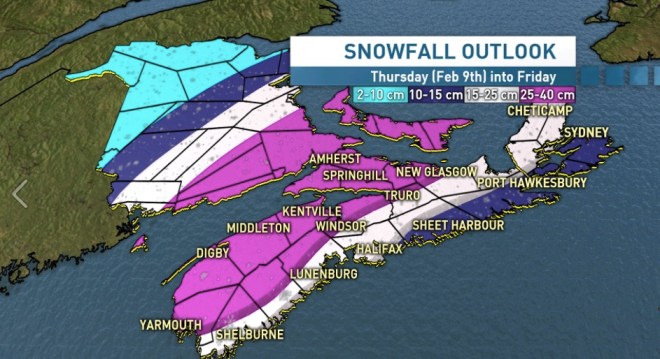
It started snowing last night at 6pm and snowed and blowed all night! Yep, textbook Nor’easter here in the Maritimes. David did most of the “digging out” early this morning before he went to work and James finished later.


Now, It’s just your textbook February snowy day on the East Coast of Canada!
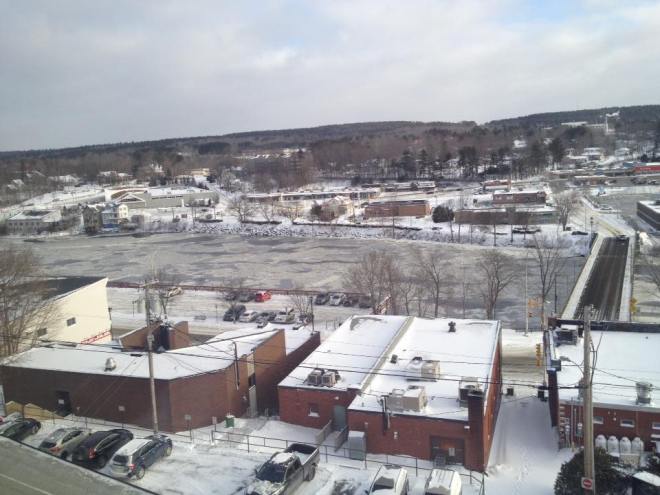
Another one is expected on Monday. Yep…February is “snow month”

 Just An East Coast Girl